


What Happens to My Apartment if I Have a Medical Emergency?
A common concern when considering senior living is what happens if a medical emergency occurs. There are questions about how your family will be contacted, the security of your apartment, ongoing care, and other future living arrangements if necessary. In retirement communities such as assisted living, there can be situations where a plan should be in place in the event of a medical emergency.
Preparation is key when it comes to what could happen at any given time. Yet, it will give you, your family, and the care staff something in common: peace of mind. The peace of knowing when something happens, the necessary steps are taken without missing a beat or questioning what happens next.
What Happens Immediately During a Medical Emergency?
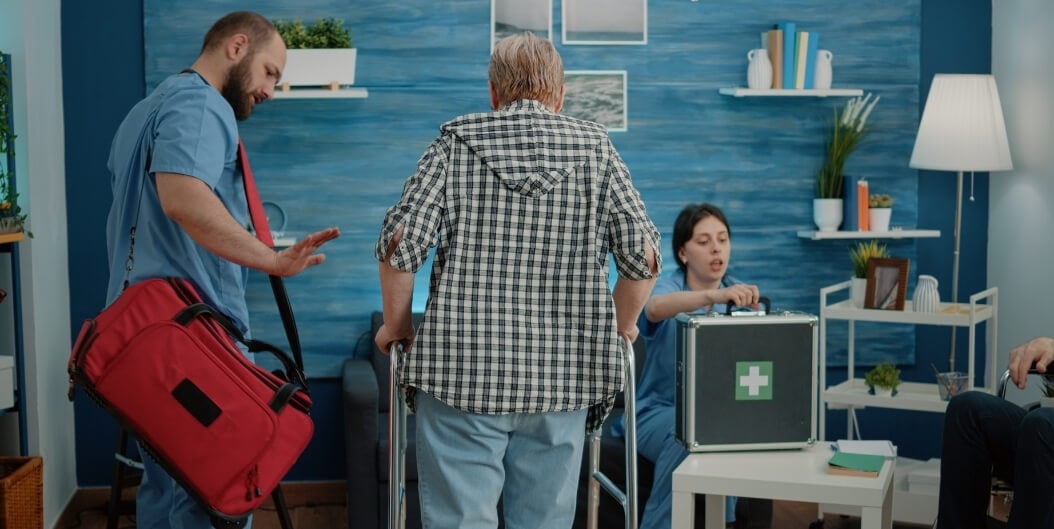
When a medical emergency occurs, your health and safety is the primary focus. That is why the assisted living team that works for you can be trusted. They are specially trained to respond quickly, assess the situation, and contact emergency medical services whenever the need arises. For example, the staff may:
- Provide immediate assistance until emergency services arrive
- Coordinate with your medical professionals (primary care physician, etc.)
- Contact emergency contacts or designated family members
- Ensure that you receive the proper medical care
Having trained staff nearby can provide you with a level of care that might not be available compared to living at home. In an assisted living community or even in memory care, having that quick response and prompt care is a tremendous asset.
Is My Apartment Left Unsecured During an Emergency?
You might worry about what happens to your apartment when you need to leave unexpectedly for something like a hospital stay. In many senior living communities, staff follow procedures that secure your apartment in such events like a medical emergency. These include but are not limited to the following:
- Making sure the doors are locked
- Turning off appliances if necessary
- Notifying designated family members
- Monitoring the apartment until your return
Such procedures are utilized to ensure that your personal belongings are protected and you have additional peace of mind during a stressful situation.
What if I Am Hospitalized for Several Days?
Hospital stays can be lengthy. You might eventually return to your apartment after receiving treatment. During your hospitalization, community staff can stay in communication with family members and healthcare providers at the appropriate times. Depending on the circumstances, the staff can coordinate with:
- Plans for you returning to your community
- Updates regarding your health status
- Communication with family members
- Addressing temporary support needs upon your return
As such, the goal is to make sure you transition back into your community as smoothly as possible.
Will I Lose My Apartment During a Hospital Stay?
A short-term hospitalization does not automatically mean you’ll lose your apartment. Communities work with you and your family to make sure that the best path forward is determined depending on your individual needs and recovery timeline. Keep in mind that each community does have their own policies regarding extending absences. If you are considering moving into a senior living apartment, you and your family will need to review such policies in particular during the move-in process.
Keep in mind that temporary medical emergencies are a normal part of aging. For that reason, senior living communities are designed to help residents navigate such situations.
What If My Care Needs Change After an Emergency?
Sometimes a medical event may result in your need for additional support after returning from the hospital. For example, assisted living can be beneficial for you especially if such care needs to change. Your care team may even evaluate what you may benefit from such as:
- Medication management support
- Additional assistance with daily activities
- Increased wellness monitoring
- Rehabilitation services when available
Such care plans can be adjusted accordingly to reflect your changing needs while helping you maintain as much independence as necessary. To go further with assisted living, you can benefit from assistance with regular tasks such as dressing, bathing, or mobility. In addition, you can also benefit from medication reminders and support.
If you move into an assisted living community from an independent living apartment, you’ll notice that while some things change, others stay the same. You could move into a new apartment within the community, but social opportunities will always be there.
Looking for a Senior Living Community That Provides Support When You Need It Most? Consider Lynridge of Waco As Your New Community
Medical emergencies happen at any time. Yet, you don’t need to face them alone or when you are too far from assistance. At Lynridge of Waco, our trained care staff are ready to help you in the event of such situations. They’ll also keep in regular contact with your family and medical providers so we can make the necessary arrangements for your return to the community. Contact us today for any questions or if you wish to set up a tour.
